
Disclaimer
This article provides general educational insight into online workspaces. It does not offer guidance for using specific systems.
An online workspace serves as an organizational layer within a broader digital platform. It brings together information, navigation elements, and tools into a unified environment. References such as my ufl or myufl may appear as identifiers that help define workspace boundaries.
Clear information flow within an online workspace depends on how sections are aligned. Logical grouping ensures that related content remains connected, while platform navigation helps users transition smoothly between areas.
Platform structure supports this alignment by maintaining consistent layouts. When users encounter predictable patterns, they can focus on content rather than interface mechanics.
Workspace tools contribute by enhancing interpretation rather than directing behavior. These tools allow information to be sorted or viewed from different angles while staying within the same organizational framework.
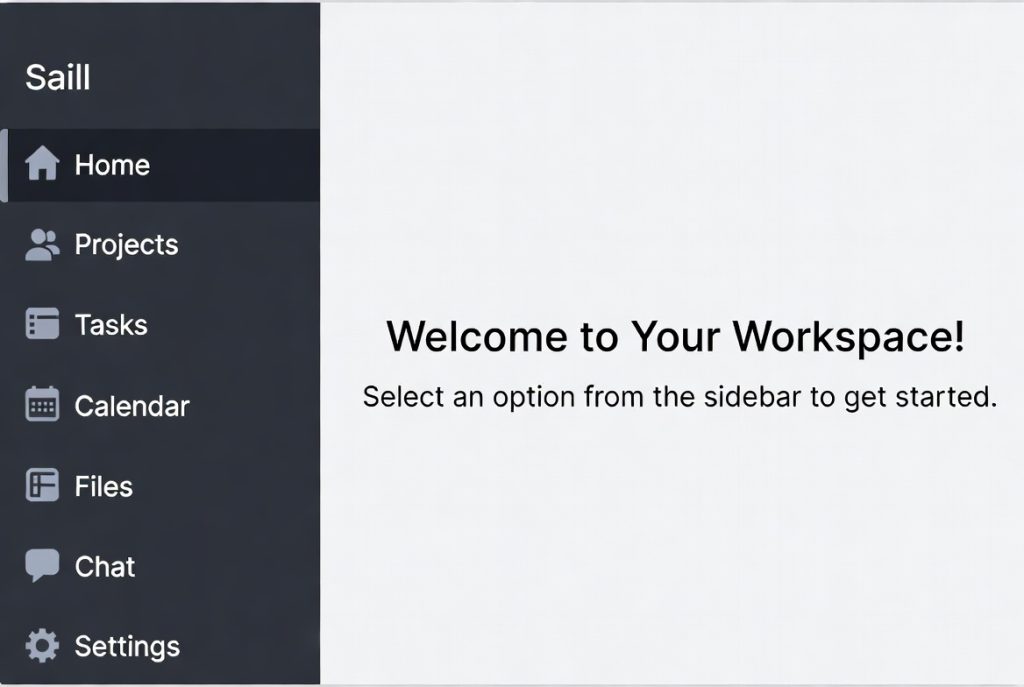
Service portal layouts often reinforce workspace alignment by acting as central directories. They help users identify major sections and understand how information is distributed across the digital workspace.
Digital platform design emphasizes balance. Too much flexibility can reduce clarity, while too much rigidity can limit understanding. Well-designed online workspaces manage this balance by integrating tools carefully and preserving structure.
Final Disclaimer
This content is intended for general educational purposes only. It does not describe specific platform processes or user actions.


Recent Comments