
Understanding how online platforms structure information

Author: admin

The Role of Online Workspaces in Supporting Clear Information Flow

Disclaimer

This article provides general educational insight into online workspaces. It does not offer guidance for using specific systems.


An online workspace serves as an organizational layer within a broader digital platform. It brings together information, navigation elements, and tools into a unified environment. References such as my ufl or myufl may appear as identifiers that help define workspace boundaries.

Clear information flow within an online workspace depends on how sections are aligned. Logical grouping ensures that related content remains connected, while platform navigation helps users transition smoothly between areas.

Platform structure supports this alignment by maintaining consistent layouts. When users encounter predictable patterns, they can focus on content rather than interface mechanics.

Workspace tools contribute by enhancing interpretation rather than directing behavior. These tools allow information to be sorted or viewed from different angles while staying within the same organizational framework.

Service portal layouts often reinforce workspace alignment by acting as central directories. They help users identify major sections and understand how information is distributed across the digital workspace.

Digital platform design emphasizes balance. Too much flexibility can reduce clarity, while too much rigidity can limit understanding. Well-designed online workspaces manage this balance by integrating tools carefully and preserving structure.

Final Disclaimer

This content is intended for general educational purposes only. It does not describe specific platform processes or user actions.
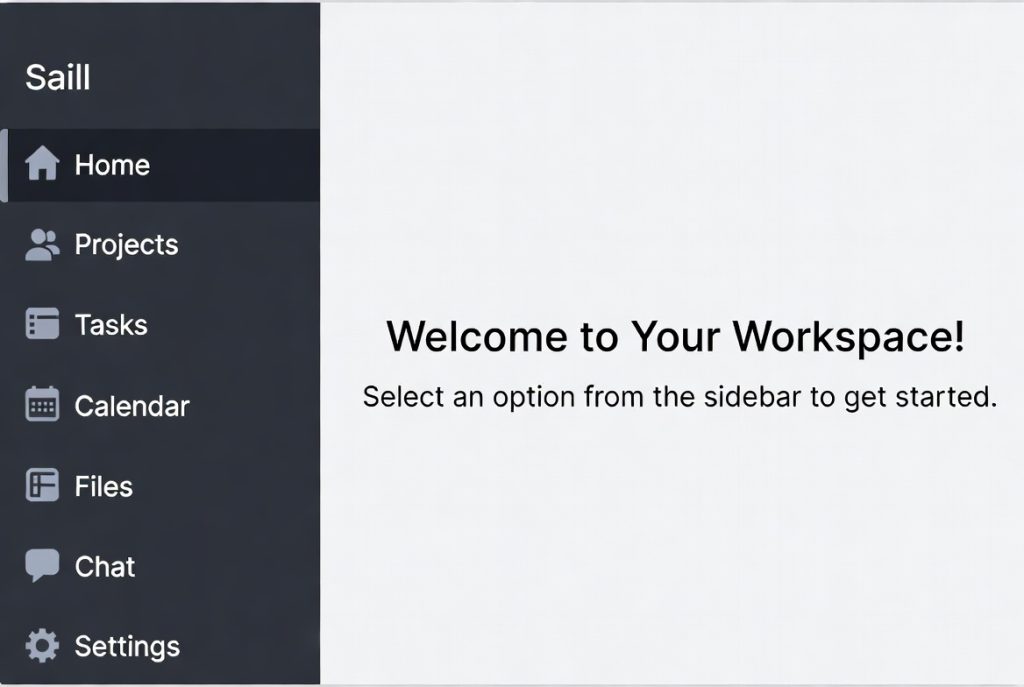

Digital Platforms as Frameworks for Information Organization

Disclaimer

This content is provided for educational purposes only. It explains general concepts related to digital platforms and information organization.


A digital platform can be understood as a framework that organizes information across multiple sections. Rather than focusing on individual pages, such platforms emphasize relationships between content areas. Labels like my uf or on uf often appear as part of these frameworks, serving as structural references rather than functional instructions.

Information organization relies on consistency. When sections follow similar patterns, users quickly learn how to interpret layout and structure. This consistency supports efficient information flow by reducing the need for repeated explanation.

Platform overview sections are central to this process. They provide a summary of available areas and help users understand the scope of the environment. From there, users can explore specific topics without losing context.

Within an online workspace, information is often grouped according to purpose or theme. This grouping allows users to focus on relevant content while maintaining awareness of the broader platform structure.

Workspace tools support this approach by offering additional ways to view and interpret information. These tools work best when they reinforce existing organization rather than introducing new complexity.

Service portal designs contribute by centralizing key resources. By presenting primary sections in one place, the portal reduces fragmentation and supports a coherent experience across the digital platform.

Occasionally, interface terminology such as myufl login may be visible as part of labeling conventions. In an educational context, this highlights how platforms identify access-related areas rather than implying any interaction.

Final Disclaimer

This article presents general educational concepts only. It does not provide operational guidance or system-specific instructions.

How Platform Navigation Shapes Information Flow in Digital Systems

Disclaimer

This article provides general educational information about digital systems. It does not offer instructions or guidance for accessing specific platforms.


Information flow within a digital platform depends heavily on how navigation is designed. Platform navigation acts as a guide that connects different sections, allowing users to move through information in a logical sequence. When navigation is clear, users spend less effort understanding the interface and more time interpreting content.

Within some environments, references such as oneuf or my ufl edu appear as identifiers that help users recognize areas of a system. From an informational standpoint, these references demonstrate how platforms maintain internal consistency rather than how users should perform actions.

A structured web platform typically organizes content in layers. High-level categories introduce broad topics, while deeper sections provide detail. This hierarchy helps regulate information flow and prevents overload.

Digital workspace design reinforces this structure by ensuring that similar sections behave in similar ways. Predictable layouts allow users to anticipate where information will appear. Over time, this familiarity improves comprehension and reduces confusion.

Platform structure is further supported by overview pages that summarize available content. These pages act as reference points, helping users regain orientation at any stage. In large systems, this function is especially important for maintaining clarity.

Workspace tools add flexibility without disrupting order. Filtering or grouping features allow information to be viewed from different perspectives while remaining within the established framework. When tools align with navigation rules, they enhance understanding rather than fragmenting the experience.

Service portal areas often function as navigation anchors. By presenting core sections in a unified view, they stabilize information flow and reduce unnecessary complexity across the digital platform.

Final Disclaimer

This article offers general educational commentary only. It does not describe system-specific processes or user actions.

Understanding Digital Workspaces as Information-Centered Environments

Disclaimer

This article is intended for general educational purposes only. It describes high-level concepts related to digital workspaces and information flow without providing operational guidance.


Digital workspaces have become a common way for organizations to present information within a structured web platform. Rather than acting as a collection of unrelated pages, a digital workspace is designed to connect content through a clear platform structure. This structure helps users understand where information is located and how different sections relate to one another.

In many environments, labels such as myufl or uf one appear as part of internal naming conventions. From an educational perspective, these labels illustrate how platforms group information logically rather than how users should interact with specific systems.

A well-designed online workspace supports information flow by reducing fragmentation. Content is organized into sections that follow consistent rules, making navigation more predictable. Platform navigation elements such as menus or overview pages guide users through the environment without overwhelming them.

A platform overview often plays a central role in orientation. By summarizing major sections, it provides context before users explore details. This approach supports clarity and allows users to form a mental map of the digital platform.

Workspace tools further support organization by helping users interpret information within existing structures. These tools operate alongside the main framework rather than replacing it. When aligned with the overall system guide, they contribute to smoother transitions between sections.

In some interfaces, terminology resembling myufl login may be visible as a label within access-related areas. In a neutral context, this reflects how platforms name entry points rather than serving as an instruction or process description.

Service portal layouts often serve as central directories within digital workspaces. Their purpose is to highlight key areas and maintain logical flow across the platform. By reinforcing hierarchy, the service portal helps users understand which sections contain core information.

Ultimately, digital workspaces support information flow by combining structured layouts, consistent naming, and carefully integrated workspace tools. Together, these elements create environments where information can be explored with clarity and confidence.

Final Disclaimer

This content provides general educational insight only. It does not describe specific platform usage or recommend actions.